
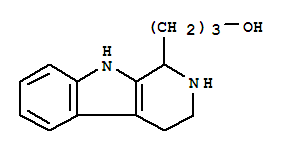
2,3,4,9-tetrahydro-1H-pyrido[3,4-b]indole-1-propanol
- Name: 2,3,4,9-tetrahydro-1H-pyrido[3,4-b]indole-1-propanol
- CAS: 94071-15-5
- Purity: 99%
Details
Top Quality 2,3,4,9-tetrahydro-1H-pyrido[3,4-b]indole-1-propanol 94071-15-5 Hot Sell In Stock
- Molecular Formula: C14H18 N2 O
- Molecular Weight: 230.30552
- Vapor Pressure: 9.51E-09mmHg at 25°C
- Boiling Point: 446.3°Cat760mmHg
- Flash Point: 223.7°C
- PSA: 48.05000
- Density: 1.173g/cm3
- LogP: 2.45600
2,3,4,9-tetrahydro-1H-pyrido[3,4-b]indole-1-propanol(Cas 94071-15-5) Usage
|
Classification |
Tryptamine-based psychoactive drug |
|
Natural occurrence |
Derivative of the naturally occurring compound tryptamine |
|
Effects |
Similar to hallucinogenic substances like LSD and psilocybin |
|
Mechanism of action |
Primarily affects serotonin receptors in the brain |
|
Psychological effects |
Altered sensory perception, hallucinations, changes in mood and cognition |
|
Usage |
Primarily recreational for hallucinogenic effects |
|
Potential therapeutic applications |
Treating certain mental health disorders |
|
Legal status |
Illegal in many countries, classified as a Schedule I controlled substance due to potential for abuse and safety concerns. |
|
General Description |
2,3,4,9-tetrahydro-1H-pyrido[3,4-b]indole-1-propanol, also known as 5-(2-aminoethyl)-4-methylenedioxytryptamine or 5-MeO-DiPT, is a psychoactive drug that belongs to the tryptamine class. It is a derivative of the naturally occurring compound tryptamine and shares similar effects with other hallucinogenic substances such as LSD and psilocybin. 5-MeO-DiPT primarily affects the serotonin receptors in the brain, leading to altered sensory perception, hallucinations, and changes in mood and cognition. The drug is primarily used recreationally for its hallucinogenic effects, but it also has potential therapeutic applications for treating certain mental health disorders. 5-MeO-DiPT is illegal in many countries and is classified as a Schedule I controlled substance due to its potential for abuse and safety concerns. |
InChI:InChI=1/C14H18N2O/c17-9-3-6-13-14-11(7-8-15-13)10-4-1-2-5-12(10)16-14/h1-2,4-5,13,15-17H,3,6-9H2
Related Products
-
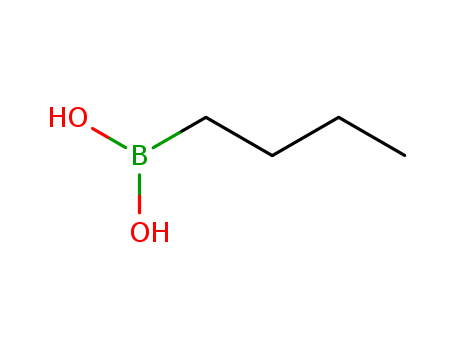 1-Butaneboronic acid
CAS:4426-47-5
-
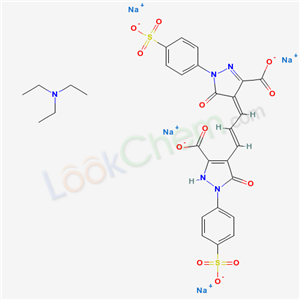
-
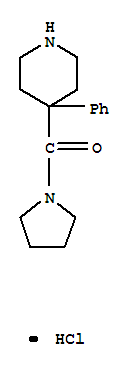
-
 1-(vinyloxy)hexane
CAS:5363-64-4